Roof Repairs Succasunna NJ for Ice Dam and Winter Moisture Issues


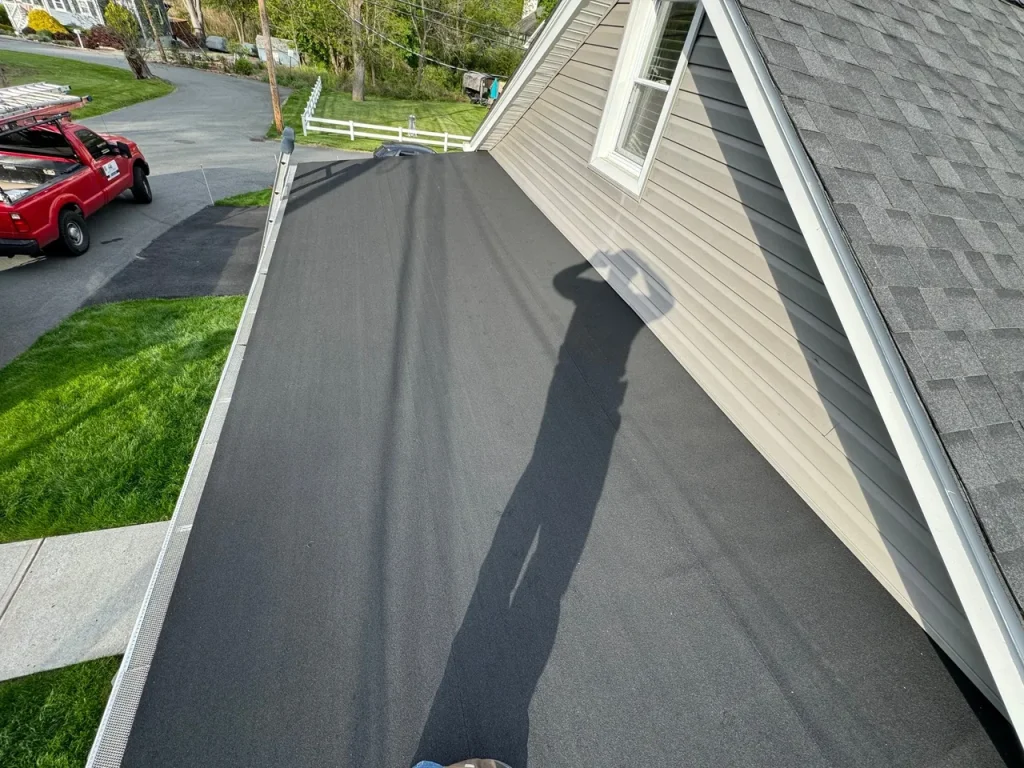
Winter exposes roof problems that stay quiet through spring rain and summer heat. In Succasunna, that usually means a familiar pattern: a cold stretch, a bit of sun on the roof, melting snow sliding toward the eaves, then a hard refreeze overnight. Homeowners often first notice it as a pretty line of icicles. A few days later, the symptoms move indoors. A brown ring forms on a bedroom ceiling. Paint starts to bubble above a window. The attic smells damp. By then, the roof is not just carrying snow, it is dealing with trapped water.
That is where smart roof repair work matters. Not every winter leak means the whole roof has failed, and not every ice dam requires a full replacement. The right response depends on what is happening at the shingles, underlayment, flashing, insulation, and ventilation levels all at once. Good winter roof work is rarely about one dramatic fix. More often, it is about diagnosing the small chain of causes that let a modest weather event become an expensive interior problem.
When people search for Roof Repairs Succasunna NJ, they are usually dealing with urgency. Water is coming in now, or there is visible ice buildup and they are worried about what the next storm will do. The challenge is that ice dams and winter moisture issues can be deceptive. The spot where water shows up inside is often nowhere near the place where it entered the roofing system. I have seen leaks travel several feet along rafters, drip from a nail tip, and leave a stain in a room that seemed unrelated to the true problem area. That is why winter roof diagnosis has to be careful, not rushed.
What an ice dam actually does to a roof
An ice dam forms when part of the roof deck warms enough to melt snow while the lower edge stays cold enough to freeze that meltwater again. Over time, a ridge of ice develops near the eaves. Meltwater behind that ridge has nowhere to drain. Instead of flowing cleanly into gutters or off the roof edge, it backs up under shingles.
Shingles are designed to shed water, not hold a pond. Once water sits against them, especially on lower slopes, it can work its way beneath tabs, around fasteners, and into joints the roofing system was never meant to keep watertight under standing water conditions. That backed-up moisture can wet roof sheathing, underlayment, fascia boards, soffits, insulation, drywall, and trim. If the cycle repeats through the season, the damage compounds.
The classic sign outside is heavy icicles combined with a thick lip of ice at the roof edge. But that visual alone does not tell the whole story. Some houses carry dramatic icicles and stay mostly dry because they have proper membrane protection at the eaves. Others leak with far less visible ice because the vulnerable areas are already weakened by age, bad flashing, worn sealant, or inadequate attic conditions.
That is the first judgment call in Roof Repairs for winter issues: determine whether the problem is mainly weather-driven, system-driven, or both. If the attic is leaking heat, the roof may keep recreating the same ice dam pattern no matter how often the ice is removed. If the flashing around a chimney is open, a small amount of meltwater can become a major stain. If the gutter line is packed with old debris and frozen solid, the roof edge can remain wet longer than it should.
Why homes in Succasunna see this problem so often
Succasunna sits in a part of New Jersey where winter is not consistently one thing. It shifts. You might get a substantial snowfall, a sunny day that softens the top layer, then a drop in temperature overnight. That freeze-thaw rhythm is hard on roofs. It creates just enough melting to move water, then just enough cold to trap it in the wrong place.
Homes in the area also vary widely in age and roof design. Some have older attics with uneven insulation. Some have additions where the original ventilation plan no longer works as intended. Cape-style homes, houses with valleys feeding lower eaves, dormers, and roof sections over heated living spaces next to unheated garage areas often develop trouble spots first. It is common to find one problematic section rather than a uniformly failing roof.
Tree cover matters too. A roof that gets partial sun can produce uneven surface temperatures. One section melts, another stays frozen, and water gets directed into edge zones that remain cold all day. I have also seen north-facing rear rooflines hold snow long after the front slope has cleared, which changes where moisture pressure develops.
The indoor signs homeowners should not ignore
Most winter roof problems announce themselves quietly before they become destructive. A ceiling stain is the obvious warning, but there are subtler clues that deserve attention. You may notice condensation frosting on nails in the attic, damp insulation near the outer edges, or a musty odor after a thaw. In upper-floor bedrooms, trim above windows may show paint movement because moisture has been entering and following framing paths. On some homes, the first sign is not a leak at all, but a bathroom fan or recessed light with staining around it where warm air has been escaping into the attic and fueling the melt pattern above.
Here are five signals that usually justify a closer roof inspection during winter or immediately after a thaw:
- water stains on ceilings or upper wall corners
- thick icicles paired with a visible ice ridge at the eaves
- damp or compressed attic insulation near the roof edge
- peeling paint or swelling trim on exterior fascia or soffits
- recurring leaks that appear only after snow, not ordinary rain
A homeowner can spot these signs, but diagnosis should go further than symptom hunting. The same stain can result from an ice dam, a plumbing vent flashing issue, condensation from attic bypasses, or a combination of two problems at once.
Why quick patching often fails
Winter emergencies encourage quick fixes. That is understandable. Nobody wants water dripping into living space while temperatures are below freezing. But the wrong repair can create a false sense of security. Smearing roofing cement over exposed areas in freezing conditions may slow water for a few days and then crack. Chipping at ice with a shovel or hammer can scar shingles, loosen granules, and damage gutters. Running a heated cable without addressing attic heat loss may reduce one visible section of ice while allowing moisture trouble to continue elsewhere.
The repair that lasts is the one matched to the actual failure point. Sometimes the immediate step is defensive, such as carefully removing excess snow from the first few feet of the roof edge with proper tools or opening drainage channels in the ice using methods that do not destroy shingles. But that is temporary management, not the finished repair plan.
A durable fix usually blends short-term mitigation with off-season corrective work. If water has already penetrated beneath the lower courses of shingles, the affected edge may need to be opened up once conditions allow, damaged underlayment replaced, and a proper ice and water membrane installed or extended. If the root cause is attic warmth, ventilation and insulation corrections belong in the same conversation as the exterior roofing repair.
The roof areas that fail first during ice dam events
Not every part of the roof is equally vulnerable. Lower eaves are the obvious stress point, but winter moisture often exploits transition details. Valleys carry high water volume, so if they discharge near an ice-prone edge, backup risk rises quickly. Chimneys create snow shadow areas and interrupted airflow patterns. Skylights, plumbing stacks, and sidewalls can all become trouble spots when backed-up meltwater sits against flashing details.
On one house, the visible leak may appear near a chimney because the flashing is the weak link. On another, the same weather pattern may never reach the chimney because the first breach occurs lower down at a roof-to-wall intersection over a mudroom. This is why experienced Roof Repairs work includes tracing water pathways, not just replacing the most weathered-looking shingles.
I also pay close attention to gutters and fascia during winter calls. Gutters do not cause every ice dam, but blocked or poorly pitched gutters can worsen drainage at the roof edge. If meltwater cannot exit, it lingers where it can refreeze and stack up. Rotten fascia board beneath a gutter often tells the story of repeated edge moisture exposure over multiple seasons.
Repairing the roof surface is only half the job
Many homeowners are surprised to hear that attic conditions may be as important as shingle condition. The roof assembly works as a system. If too much indoor heat reaches the underside of the roof deck, snow above the warm zone melts earlier and faster than it should. The lower roof edge, extending past the heated wall line, stays colder. That temperature mismatch drives ice dam formation.
Insulation depth matters, but air sealing matters just as much. A house can have decent insulation on paper and still leak enough warm air through top plates, light penetrations, attic hatches, duct chases, and bath fan openings to create chronic trouble. In practical terms, a small number of warm-air leaks can create concentrated hot spots on the roof deck. Those hot spots are often what make one section of the roof troublesome while nearby areas stay relatively stable.
Ventilation then enters the picture. Ridge vents, soffit vents, gable vents, and baffles all have roles, but the right setup depends on the roof design. More vent openings do not automatically mean better performance. I have seen attics where added fans or mixed vent types upset airflow instead of improving it. The real goal is balanced intake and exhaust, along with a clear path for outside air to move where it is needed without bypassing insulation.
For homeowners seeking Roof Repairs Succasunna NJ, this systems view matters because it helps separate what needs roofing work from what needs building-envelope work. A trustworthy contractor should be able to explain that distinction clearly.
What a proper winter roof inspection should include
A solid inspection during or after winter weather is part detective work, part restraint. Walking a steep roof in icy conditions is not always safe or necessary. Often, the first stage involves an exterior visual review from the ground and ladder points, attic inspection from inside, moisture mapping, and targeted review of known leak areas. If conditions permit, closer examination of shingles, flashings, penetrations, and eave details follows.
The attic usually tells the truth faster than the living room ceiling does. Wet sheathing, frost patterns, rusted nail points, darkened decking, mold growth on colder surfaces, and matted insulation can reveal whether the issue is active leakage, chronic condensation, or both. It is not unusual to find that a leak blamed on roofing is actually intensified by bath fan exhaust terminating into the attic instead of outdoors.
An effective inspection should answer several practical questions. Is the water entering from backup at the eaves, from flashing failure, or from condensation inside the attic? Has the roof decking softened or delaminated? Are shingles merely wet, or have they lost adhesion and become vulnerable to wind once temperatures rise? Is the fix likely to be localized, or is the visible leak the first sign of a broader aging problem?
Repair options, from limited fixes to larger corrective work
The scope of repair depends on the age of the roof, how often the problem recurs, and how much hidden moisture damage is present. A newer roof with a localized flashing issue may need a targeted repair and attic air-sealing correction. An older roof with repeated winter leakage at multiple eaves may justify a more comprehensive approach.
In practice, winter-related roof repair often falls into one of a few categories. Emergency moisture control comes first if active leakage is affecting interior finishes. Next comes component repair, such as replacing damaged shingles, underlayment sections, flashing, fascia, or decking in the affected zone. Finally, preventive correction addresses why the ice dam formed so easily, which may include insulation upgrades, air sealing, ventilation improvement, or gutter adjustments.
The trade-off is straightforward. A small repair costs less upfront and makes sense when the roof has good remaining life and the cause is narrow. A broader repair costs more, but it can save repeated service calls, interior painting, drywall work, and future insulation replacement. I have seen homeowners spend the equivalent of a larger proper repair over three winters by choosing temporary fixes that never changed the underlying conditions.
When a repair is enough, and when replacement becomes the smarter choice
This is one of the most important judgment calls in Roof Repairs. If the roof is relatively young, shingles are still flexible, granule loss is modest, and damage is concentrated at one or two winter stress points, repair is often the sensible path. If the roof is already nearing the end of its service life, seals are failing in multiple areas, and decking or underlayment problems extend across broad sections, replacement may be more economical than repeated patching.
A homeowner does not need a salesman’s script here, just an honest read on condition. The questions I would ask are simple. How old is the roof? Have winter leaks happened before? Are shingles breaking during normal handling? Is there evidence of widespread edge deterioration? Has moisture already damaged enough decking that opening one area is likely to reveal more?
If the answer to several of those questions is yes, the repair estimate should be weighed against the likelihood of additional failures soon after. That does not mean every older roof needs replacement immediately. It means winter leak repair should be planned with full awareness of the roof’s remaining life, not in isolation.
Steps homeowners can take before the next storm
Homeowners do have a useful role, though it should stay within safe limits. The best prevention is often done before snow arrives. Clean gutters in late fall, make sure downspouts discharge properly, check the attic for obvious air leaks, and monitor insulation coverage near eaves. If a roof has a known history of ice dams, having it inspected before peak winter is far easier than diagnosing it during an active leak.
When snow has already fallen, safety matters more than urgency. Climbing onto an icy roof is not worth the risk. From the ground, look for growing icicles, sagging gutters, or unusual melt patterns where one section of roof clears much faster than the rest. Inside, visit the attic after a thaw and look for dampness, frost, or darkened sheathing. Catching the problem early often turns a soaked ceiling repair into a manageable roofing service call.
A practical prevention routine usually includes these steps:
- clear gutters and downspouts before winter sets in
- seal major attic air leaks around penetrations and hatches
- confirm insulation is even, dry, and not blocking soffit intake
- inspect flashing around chimneys, skylights, and roof walls
- schedule roof review after any recurring winter leak or heavy ice season
These are not glamorous tasks, but they do more to prevent costly moisture damage than most emergency products sold in the middle of winter.
The cost of waiting too long
Water from ice dams is often slow enough to seem manageable. A stain appears, dries, and then disappears from attention until the next storm. That delay is expensive. Repeated wetting can soften sheathing, stain insulation, weaken drywall seams, and feed mold growth in enclosed cavities. Even when the visible leak seems minor, hidden moisture can travel along framing and create damage that is much larger than the original point of entry.
The building materials most at risk are usually the least visible. Roof decking can delaminate. Insulation loses performance when it gets wet and stays compressed. Fasteners rust. Wood trim at the eaves begins to decay. By spring, homeowners are dealing not only with roof repairs but also with painter, drywall, and carpentry work that might have been avoided.
That is why prompt evaluation matters after the first winter leak, not after the fourth. For homes in this area, freeze-thaw weather tends to repeat, and the roof remembers every unresolved weak spot.
Choosing help that understands winter moisture, not just shingles
There is a difference between a contractor who can replace roofing material and one who can diagnose why a roof leaks in winter. The second one asks about attic conditions, prior ice dam history, where the stain appears relative to roof framing, and whether the leak happens during snow events, plain rain, or both. They do not just point to worn shingles and call it solved.
For homeowners looking for Roof Repairs Succasunna NJ, that distinction is worth paying for. A winter leak specialist should be comfortable talking about membrane placement at eaves, ventilation balance, insulation deficiencies, flashing details, and the limitations of cold-weather patching. They should also be clear about what can be safely done immediately versus what should wait for better weather to ensure a lasting repair.
Professionalism shows up in the details. It shows in someone who protects the interior while tracking the source, who documents the affected areas, and who explains whether the issue is likely isolated or systemic. It also shows in restraint. Not every winter roof problem justifies panic, and not every stain means catastrophe. A measured diagnosis is often the shortest path to the right fix.
A roof that gets through winter dry is rarely an accident
Roofs that handle North Jersey winters well usually share a few traits. They have solid edge protection where meltwater is most likely to back up. Their flashing details are intact. Their attics are not dumping household heat into the underside of the https://soundcloud.com/royalty-exteriors roof deck. Their ventilation supports even temperatures rather than creating hot spots. Most of all, they have been maintained before winter forced the issue.
That is the practical heart of Roof Repairs for ice dam and winter moisture issues. The goal is not just to stop this week’s leak. It is to reduce the chance that the same roof section becomes a problem every January. Sometimes that means replacing a damaged eave section and improving membrane coverage. Sometimes it means solving the warm-attic conditions that have been feeding ice formation for years. Often it means doing both.
For homeowners in Succasunna, winter roof problems are rarely random. They follow patterns, and patterns can be fixed when someone takes the time to read them correctly. A dry attic, sound flashing, protected eaves, and controlled heat loss do not make for exciting conversation, but they are what keep a winter roof quiet. Quiet roofs are the ones that let snow melt when it should, drain where it should, and stay out of your living room ceiling.
Royalty Exteriors
Address: 151 NJ-10 Ste 103A, Succasunna, NJ 07876
Phone number: +19733337234
FAQ About Roof Repairs Succasunna NJ
How much should I pay for roof repairs?
Most homeowners pay an average of $900 to $1,200 for roof repairs, with typical projects ranging from $150 to $3,000+ depending on the severity of the damage.
What are the most common roof repairs?
The most common roof repair is fixing water leaks by replacing damaged, cracked, or missing asphalt shingles and sealing compromised flashing.
Does homeowners insurance pay for roof repairs?
Homeowners insurance pays for roof repairs only if the damage is sudden and accidental, such as from a storm, hail, or a falling tree.