Understanding Repair vs Replacement in Roof Repairs Succasunna NJ
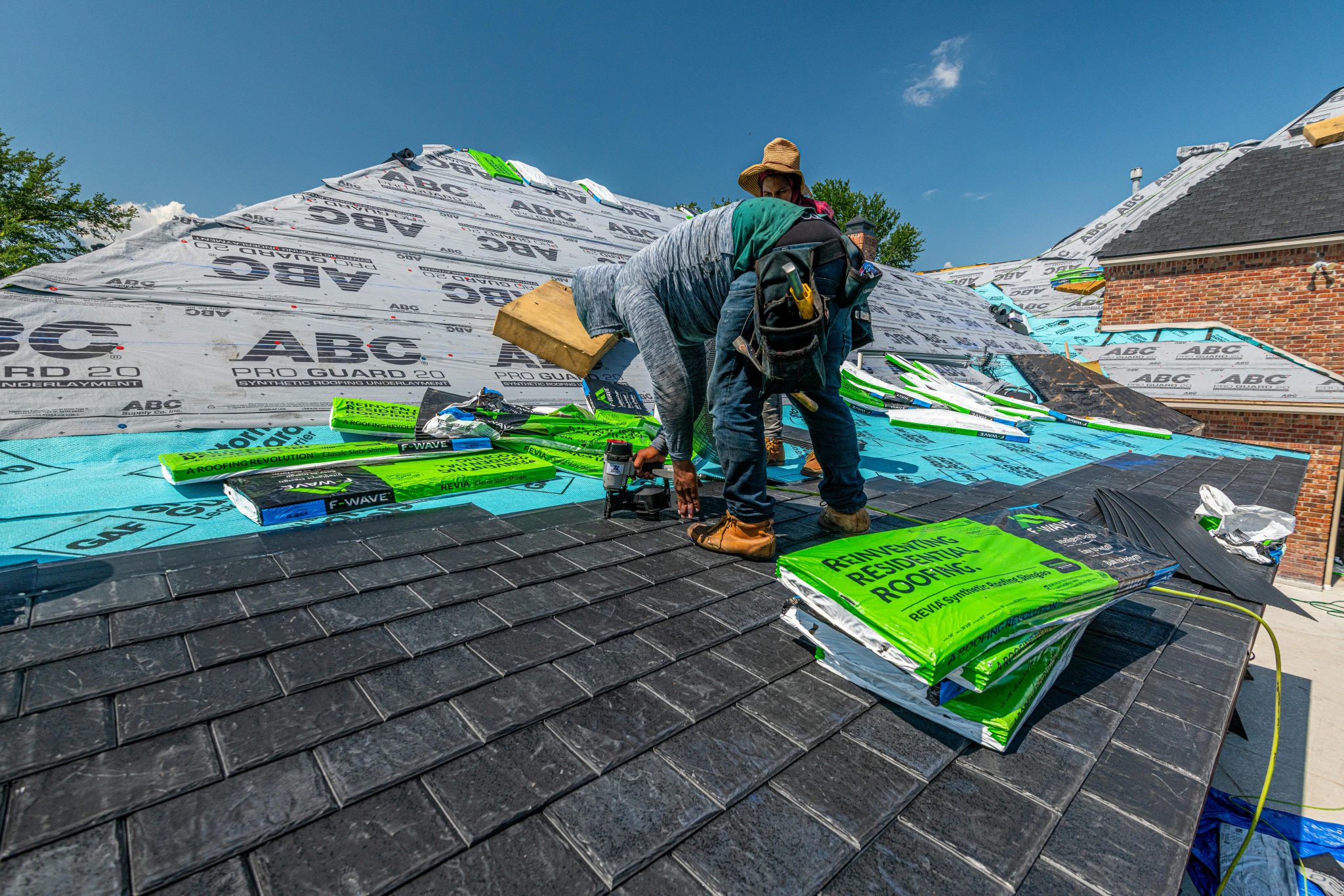

A roof rarely fails all at once. More often, it sends signals for months, sometimes years, before a homeowner is forced to make a decision. A leak around a vent pipe. A line of lifted shingles after a winter storm. Granules collecting in the gutter. A dark patch in the attic insulation that was not there last season. The hard part is not noticing that something is wrong. The hard part is deciding whether the roof needs a targeted repair or a full replacement.
That question comes up constantly in Roof Repairs Succasunna NJ, especially because local homes see a real mix of weather stress. Winter ice, freeze-thaw cycles, spring rain, summer heat, and wind-driven storms all age roofing materials in different ways. Two roofs can look similar from the driveway and need completely different solutions once someone gets up close. One may need a modest repair around flashing or a damaged slope. The other may be at the point where every repair becomes a temporary patch on a system that has reached the end of its useful life.
Homeowners usually want a clear yes or no. Repair it, or replace it. In practice, the right answer depends on several overlapping factors: the roof’s age, the extent of damage, the number of past repairs, the condition of the decking beneath the shingles, ventilation, and whether the problem is isolated or systemic. Cost matters too, but it should be weighed over years, not just by https://reiduhbq713.quillnesty.com/posts/roof-repairs-succasunna-nj-improve-curb-appeal-and-durability looking at the lowest immediate number.
Why the distinction matters more than most people think
A roof repair and a roof replacement solve different kinds of problems. Repairs are meant to address limited failures. Replacement is meant to restore the full roof system when deterioration is widespread or when the roof can no longer perform reliably. Confusing one for the other can cost a homeowner more than making the wrong choice in the other direction.
If a roof really only needs a repair, replacing it early can be an unnecessary expense. There are plenty of cases where a section of storm damage, a few broken shingles, or poorly sealed flashing can be corrected without disturbing the rest of the roof. That is especially true when the roof is still in the earlier or middle part of its service life.
On the other hand, continuing to repair a failing roof often creates a slow financial drain. I have seen homeowners spend money every year on leak calls, small patch jobs, interior paint touch-ups, and attic insulation replacement, only to end up replacing the roof anyway. By that point, the hidden damage under the shingles is often worse, and the replacement is more expensive than it would have been earlier.
The decision is not just about the visible surface. A roof is a system made up of shingles, underlayment, flashing, decking, ventilation components, fasteners, and drainage pathways. When one element fails in isolation, a repair can be smart. When several of those components are failing together, replacement starts to make more sense.
When a repair is usually the right call
A repair is often appropriate when the issue is local, recent, and clearly identifiable. That might mean wind damage on one slope, flashing separation around a chimney, nail pops that have worked up through a handful of shingles, or a leak caused by cracked pipe boot rubber. These are common Roof Repairs, and when handled promptly, they can add years to the life of the roof.
Age matters here. If an asphalt shingle roof is, say, seven to twelve years old and has otherwise worn evenly, a targeted repair is usually worth serious consideration. The materials still have useful life left. Matching the existing roof may not be perfect, especially if sun exposure has changed the color over time, but the structure can often be restored without major intervention.
The same is true when storm damage is confined to one area. A gust can peel back a section near a ridge, or a branch can strike one slope without compromising the entire roof. If the surrounding shingles remain flexible, the flashing is serviceable, and the decking is dry and solid, a repair can be both cost-effective and durable.
One example that comes up often in northern New Jersey is ice-related leakage near eaves. Homeowners sometimes assume the shingles themselves have failed, when the real issue is an ice dam that forced water under the roofing. If the shingles are still in decent shape and the roof assembly is otherwise sound, the fix may involve replacing damaged lower courses, checking underlayment, and improving attic ventilation or insulation, not tearing off the whole roof.
What pushes a roof from repair territory into replacement territory
Replacement becomes the wiser path when the problems are broad, recurring, or tied to age-related breakdown. The roof does not need to be collapsing to justify replacement. It only needs to be unreliable enough that continued repairs stop making practical sense.
A common tipping point is widespread shingle deterioration. On asphalt roofs, that can show up as curling edges, brittle tabs, heavy granule loss, bald spots, repeated blow-offs, or cracking across multiple slopes. Once shingles lose flexibility and protective granules, they stop shedding water and resisting UV exposure the way they should. Repairs on one section do not solve the aging of the rest of the roof.
Another strong indicator is repeated leaking in different areas. One leak does not automatically mean replacement. Three unrelated leaks over a short period, especially on an older roof, tell a different story. At that point, the issue is rarely just one failed component. It suggests the roof system has reached a stage where weak spots are appearing in multiple places.
Then there is the substrate beneath the shingles. If water has been getting in for some time, the roof deck may be soft, delaminated, or rotted. Once significant decking repairs are needed across several sections, the labor and material costs can quickly approach replacement territory. It is usually more sensible to tear off the roof, address the wood properly, and rebuild the assembly correctly rather than continue layering patches over compromised structure.
Age is not everything, but it matters a lot
Many homeowners ask for a simple lifespan number, but roofing does not work like a kitchen appliance with a clean expiration date. Material quality, installation quality, ventilation, roof pitch, sun exposure, tree cover, storm history, and maintenance all affect longevity. Still, age remains one of the most useful decision-making tools.
A roof in the first half of its expected life is generally a stronger candidate for repair, assuming the damage is limited. A roof nearing the far end of its expected life should be judged more critically, even if the immediate issue appears small. Spending significant money on repairs to a roof that may only have a few serviceable years left often does not pencil out.
This is where honest evaluation matters. A fifteen-year-old roof can be in better shape than a ten-year-old one if it was installed well and ventilated properly. I have also seen newer roofs fail early because shortcuts were taken during installation, flashing was mishandled, or the attic baked the shingles from underneath due to poor airflow.
The best way to use age is as context, not as the sole deciding factor. If the roof is older and beginning to show multiple symptoms of wear, age becomes the tie-breaker that nudges the decision toward replacement.
The hidden cost of repeated small repairs
The cheapest estimate is not always the lowest-cost decision. That becomes obvious when a roof enters the cycle of recurring repair calls. A few hundred dollars here, then a leak visit there, then another patch after the next windstorm. On paper, each invoice may seem manageable. Over three to five years, the total can rival a substantial portion of replacement cost without delivering the confidence of a new roof.
There is also the cost that never appears on a roofing invoice. Water stains on ceilings. Damaged drywall. Mold concerns in insulation. Warped trim. The inconvenience of emergency tarping during a storm. The stress of watching weather forecasts because you no longer trust the roof overhead.
For homeowners planning to stay in the property, reliability carries real value. For homeowners planning to sell, an aging roof with a history of repairs can raise questions during inspection and negotiations. Buyers tend to view a recently replaced roof as a major positive. They often view an older roof with patched areas as a future expense waiting to happen.
How location-specific conditions affect Roof Repairs Succasunna NJ
Succasunna homes deal with climate patterns that make roof decisions more nuanced than a generic online article might suggest. Winter is a major factor. Snow load by itself is one issue, but the more persistent problem is the freeze-thaw cycle. Water gets into small openings, freezes, expands, and widens them. Flashing that looked acceptable in fall can become the weak link by late winter.
Trees are another local variable. Neighborhoods with mature trees often have roofs shaded by branches, which can be good for reducing summer heat but bad for drying. Leaves trap moisture in valleys and gutters. Moss and algae become more likely in shaded areas. Overhanging limbs also increase the odds of impact damage during storms. When assessing Roof Repairs Succasunna NJ, it is important to ask whether the visible damage is a one-time event or part of an ongoing environmental pattern.
Ventilation also deserves attention in this region. Homeowners understandably focus on leaks and shingles, but poor attic airflow accelerates wear in both summer and winter. Excess heat can prematurely age shingles. Moisture buildup can contribute to mold and deck deterioration. Ice dam risk rises when attic temperatures are uneven. In some cases, what appears to be a roofing problem is partly a ventilation problem, and replacing shingles without correcting airflow means the new roof may age faster than it should.
Repair quality matters as much as the decision itself
A good repair is not just a visible patch. It requires diagnosing why the failure occurred and addressing that cause. If flashing was improperly lapped, if the underlayment has been compromised, or if a leak traveled from higher up the roof than expected, simply replacing surface shingles will not hold.
That is why inspection technique matters. Looking from the ground, or even from the roof surface alone, can miss critical details. Interior attic inspection often tells the fuller story. Water can travel along rafters, soak decking away from the obvious stain, and appear inside far from the actual entry point. A repair decision based on incomplete diagnosis tends to fail early.
Material matching is another practical concern. New shingles placed into an older roof can work structurally, but appearance and compatibility still matter. Brittle surrounding shingles may crack during repair work. Seal strips on older materials may no longer respond the same way. An experienced roofer plans for that reality rather than pretending every repair is simple.
Signs that usually point one way or the other
The following short guide is not a substitute for an inspection, but it reflects the kinds of patterns professionals look for when deciding between Roof Repairs and replacement:
- A repair often makes sense when damage is confined to a small area and the rest of the roof is wearing evenly.
- Replacement becomes more likely when leaks are appearing in multiple locations or after several repair attempts.
- A newer roof with isolated storm damage is usually a repair candidate, provided the deck and flashing are sound.
- An older roof with curling, brittleness, and granule loss across several slopes usually points toward replacement.
- If structural wood, ventilation, or underlayment issues are widespread, replacement is often the more durable solution.
Those are patterns, not rules. The details always matter.
Insurance, budgets, and the real-world decision
Money shapes every roofing decision, and that is understandable. Few homeowners wake up hoping to spend on their roof. But budget pressure can push people toward short-term fixes that do not actually protect their finances.
If a storm caused the damage, insurance may influence the repair-versus-replace equation. Policies vary, and claim outcomes depend on the kind of damage, the age of the roof, and the insurer’s terms. Sometimes a carrier will approve repair to a specific section. Sometimes the extent of storm-related loss across the roof justifies broader replacement. It is important not to assume either result. Documentation, photos, and a careful condition assessment help.
For out-of-pocket projects, many homeowners benefit from looking at cost over a five- to ten-year window rather than the next thirty days. A repair that buys another seven years from an otherwise solid roof is usually money well spent. A repair that buys six months from a roof that is failing across the board usually is not.
A practical conversation often sounds like this: if the roof can be repaired safely and should have meaningful life left afterward, repair it. If a large repair bill lands on a roof already nearing replacement age, pause and compare that cost to the value of starting fresh. The right answer is often less about whether repair is possible, because many things are technically repairable, and more about whether it is rational.
What a homeowner should ask before approving the work
The quality of the decision depends heavily on the quality of the questions. A homeowner does not need to become a roofer overnight, but a few clear questions can reveal whether the recommendation is thoughtful or rushed.
- Is the damage isolated, or are there signs of broader wear across other slopes and penetrations?
- How much useful life is reasonably left in the current roof after this repair is completed?
- Will the repair involve only shingles, or are flashing, underlayment, decking, or ventilation also part of the issue?
- If I choose repair now, what are the most likely next problems within the next few years?
- If replacement is recommended, what specific conditions make repair a poor investment?
Those questions shift the conversation from sales language to roof performance. That is where the real answer lives.
A few scenarios that show the difference
Consider a one-story ranch with a twelve-year-old architectural shingle roof. A windstorm lifted and creased shingles on the rear slope near the ridge. The rest of the roof remains flat, sealed, and consistent in color and granule coverage. The attic is dry. Flashing is in good condition. That is a textbook repair scenario. Replace the damaged shingles, verify fastening patterns, check adjoining tabs, and move on.
Now picture a two-story colonial with a twenty-three-year-old roof. There is staining around a bathroom vent, previous patching near a chimney, granule loss in the gutters, and curling shingles on the south-facing slope. A repair may stop the current leak, but it will not restore reliable performance. In that case, replacement is usually the financially smarter recommendation, even if a repair is technically possible.
There are also middle-ground cases. A roof may be older but still reasonably serviceable, with one major issue centered on flashing around a masonry chimney. If the shingles remain in fair condition and the leak source is genuinely limited to the flashing assembly, a well-executed repair can still be justified. This is why blanket rules are so dangerous. Roofing decisions require judgment.
The value of timing
One of the most overlooked parts of this decision is timing. Homeowners often wait until a leak forces urgency, and urgency narrows options. A roof inspected at the first signs of wear gives you room to compare choices, schedule work under better conditions, and avoid water damage inside the home.
Timing also affects cost efficiency. A controlled replacement planned before active interior leaking tends to be cleaner and more straightforward than one performed after damage spreads to decking, insulation, and ceilings. The same goes for repairs. Catching a flashing issue early may keep it a modest service call. Waiting through another season may turn it into a decking repair and interior restoration project.
For anyone weighing Roof Repairs Succasunna NJ, the goal should not be squeezing every last day out of a failing roof. The goal should be making the decision at the point where money spent still produces real value.
Making the call with clear eyes
Repair and replacement are not competing products. They are different solutions for different roof conditions. A good repair preserves a roof that still has honest service life remaining. A good replacement ends the cycle of uncertainty when the roof has moved beyond practical patchwork.
The homeowners who tend to make the best decision are not the ones who chase the cheapest immediate price or the biggest promise. They are the ones who ask for a clear assessment of condition, remaining life, underlying causes, and likely future costs. They understand that a roof is a protective system, not just a layer of shingles.
If your roof has one damaged area on an otherwise healthy assembly, repair may be the smart move. If your roof is aging, leaking in multiple places, and showing broad wear, replacement may save money and frustration sooner than you expect. The difference lies in the details, and details are everything in roofing.
Royalty Exteriors
Address: 151 NJ-10 Ste 103A, Succasunna, NJ 07876
Phone number: +19733337234
FAQ About Roof Repairs Succasunna NJ
How much should I pay for roof repairs?
Most homeowners pay an average of $900 to $1,200 for roof repairs, with typical projects ranging from $150 to $3,000+ depending on the severity of the damage.
What are the most common roof repairs?
The most common roof repair is fixing water leaks by replacing damaged, cracked, or missing asphalt shingles and sealing compromised flashing.
Does homeowners insurance pay for roof repairs?
Homeowners insurance pays for roof repairs only if the damage is sudden and accidental, such as from a storm, hail, or a falling tree.